The Private Equity J-Curve, Modeled for One Household
The cash J-curve is arithmetic. In an illustrative model, one fund goes about 79 percent underwater by year 4. Pacing shrinks the hole.
The Private Allocator
Angel, venture, private equity, credit, real assets and small-business deals, compared on what each asks of you: cash, time, paperwork, and how long your money is locked up.
Selected topics: portfolio-construction. Search: All guides.
Showing 9 posts with tag: Portfolio construction
The cash J-curve is arithmetic. In an illustrative model, one fund goes about 79 percent underwater by year 4. Pacing shrinks the hole.
Legacy US PE and venture median vintage-level quartile gaps of 12.3 and 13.2 points. The asset-class average is the least useful number to read.
Compare accredited investor options by exposure, lockup and the work each asks of you. Legal eligibility is not the same as affordability.
Write a family investment policy around what the money is for, cash limits, responsibility and review triggers, with blank prompts to decide whether to commit.
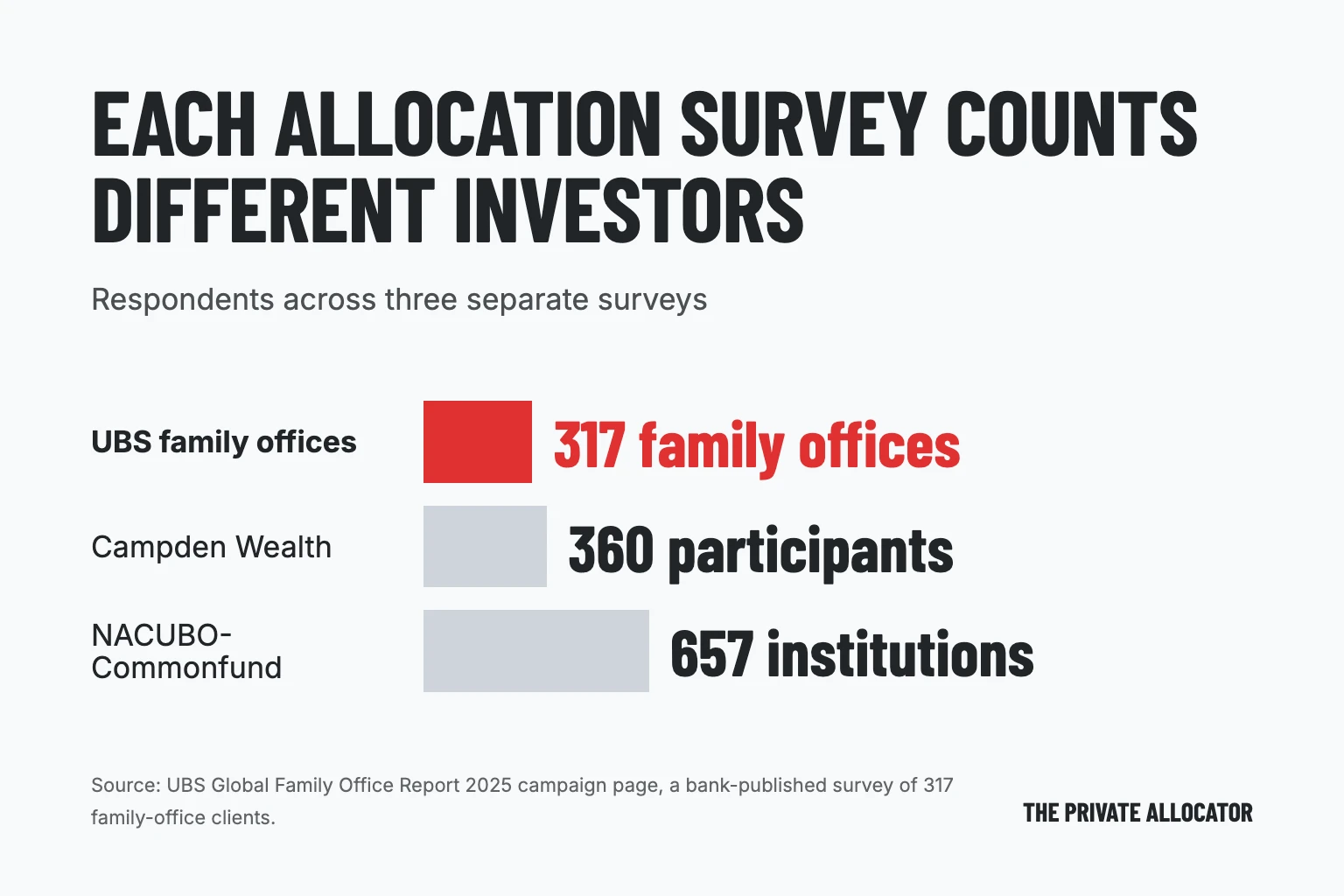
Read family office allocation surveys with care. Check the sample, wealth measures and spending needs before applying their lessons to your own portfolio.
Make private investment administration easier to follow. Keep documents, commitments, cash received and valuation dates in one record.
Examine private investment concentration across business, work and property. Map shared risks and record missing information before your next commitment.
Build a private investment liquidity budget that separates what you must pay, accepted commitments and uncertain distributions, with a blank cash calendar.
Use a private portfolio review to separate reported values from cash received, challenge strategy labels, and give unanswered questions a follow-up owner.